
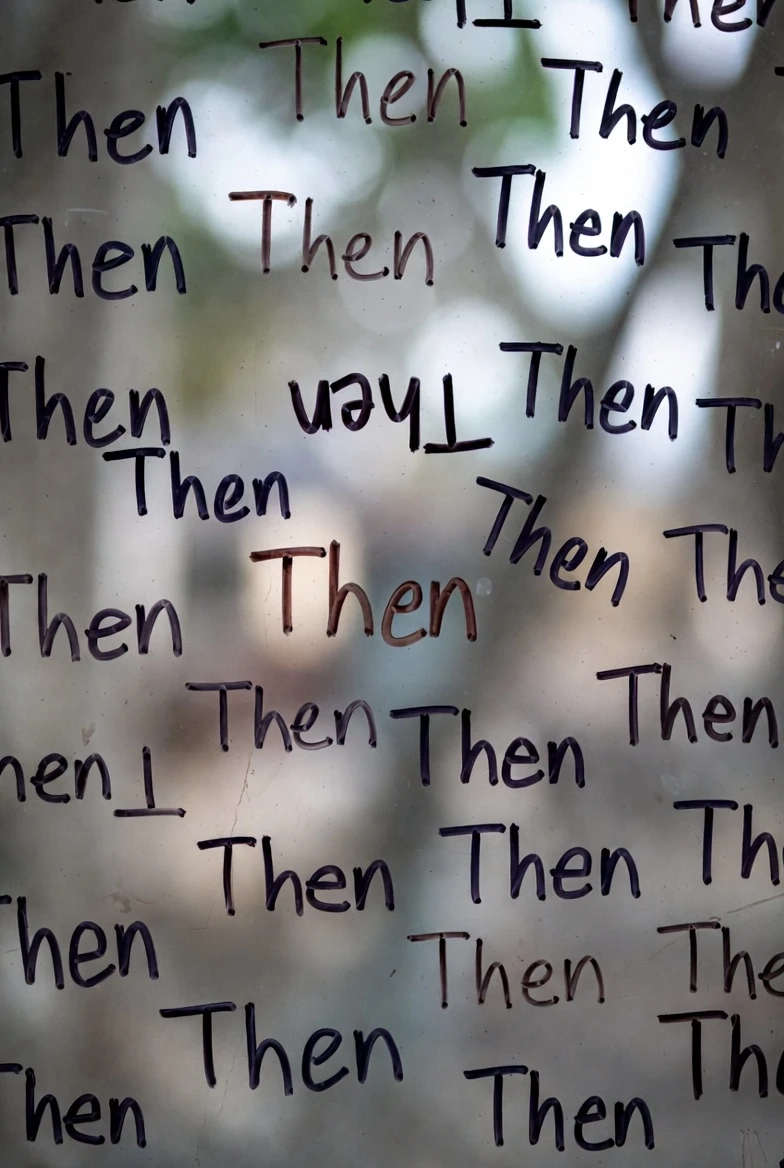
The Significance of "Then" in Matthew 25
In your memory, what is the meaning of the Parable of the Ten Virgins and the Parable of the Talents in Matthew 25? Did you think: The Ten Virgins teaches us to be prepared and watchful for Christ's return, with the wise ones having enough oil (faith or readiness) while the foolish run out and get excluded? And the Talents is about using our God-given gifts productively—multiplying them through hard work and risk-taking, or else facing judgment for laziness?
That's the standard take, right? But what if these stories aren't timeless blueprints for Christian living, but specific warnings about how the kingdom will look distorted during the end times? The key lies in a single Greek word at the start of the chapter: tote (translated as "Then" or "At that time" in most Bibles). For a deeper dive into its definition and usage, check this biblical Greek lexicon entry. This "tote" connects Matthew 25 directly to the chaos and deception Jesus describes in Matthew 24—wars, false prophets, persecution, and the sudden return like a thief. It's not "the kingdom is always like this," but "at that time, amid all that testing and delay, the kingdom of heaven will be like..."
Suddenly, the parables flip from endorsements of self-reliance and profit to exposes of counterfeit behaviors that might tempt believers in those dark days.
A Fresh Perspective on the Kingdom in End Times
In a thought-provoking conversation with Grok, we delved into the challenges of living as a "true Christian"—one who follows Jesus with unwavering conviction, refusing to sin even when it means facing hardship. This dialogue began with a simple yet profound premise: the life of a genuine follower of Christ is often more difficult than that of the unrestrained sinner or the casual "café Christian." Why? Because obedience to God's commandments imposes restraints that the world doesn't respect—restraints like refusing to lie for gain, steal for survival, or exploit others for advantage. The unrestrained can "win" in the short term, but the faithful endure loss, poverty, or rejection here on earth, storing up treasures in heaven instead (Matthew 6:19–21, KJV). As one key point from our exchange highlighted, the person without moral constraints rarely goes hungry or naked; they exploit to survive. The faithful, however, may face exactly that, underscoring Jesus' emphasis on mercy to the needy as a counterweight to obedience's cost.
The Context: Matthew 24's End-Times Warnings
To appreciate tote's weight, we must start with Matthew 24, where Jesus describes the signs of the end: wars, famines, earthquakes, persecution, false christs and prophets deceiving many (vv. 4–5, 11, 23–26), the gospel preached worldwide, and the sudden return of the Son of Man like a thief in the night. He urges watchfulness because the day and hour are unknown (v. 36, 42–44). The chapter closes with a call to endure faithfully, lest one be caught unprepared.
Then—tote—Matthew 25 begins. This "at that time" links the parables to that deceptive, testing season. It's not "the kingdom is always like this," but "at that time [amid false prophets and delay], the kingdom of heaven will be likened to..." As an interesting point from our conversation, Jesus emphasizes the difficulty of this period, warning of "woe unto them that are with child, and to them that give suck in those days" (Matthew 24:19, KJV). Being pregnant or nursing during tribulation adds layers of vulnerability—flight from persecution becomes harder, resources scarcer, highlighting how the faithful's restraints could lead to desperate needs like hunger or nakedness for their families.
The Italicized Words in Matthew 25:14 and Their Impact
A crucial detail we explored is the KJV's rendering of Matthew 25:14: "For the kingdom of heaven is as a man travelling into a far country..." The italicized words ("the kingdom of heaven is") are translator additions for clarity, not present in the original Greek. The literal text is more abrupt: "For as a man travelling into a far country..." Without the italics, the connection to "Then" from verse 1 carries forward, making the Talents parable feel even more tied to the end-times sequence: "At that time... for as a man travelling..."
This omission reinforces the prophetic tone— these aren't timeless ideals but glimpses of how the kingdom community will operate amid deception. The italics soften it to a general "the kingdom is like," but dropping them lets the "Then" dominate, emphasizing future distortion.
The Parables Through the Lens of "Then"
With tote in mind, the parables read less as endorsements of certain behaviors and more as warnings about distortion in the end times. An intriguing flip we discussed is how these stories seem to highlight sins as virtues (hoarding, exploitation) in opposition to Jesus' teachings elsewhere—perhaps intentionally, to expose counterfeit kingdom operations "at that time."
- The Ten Virgins (Matthew 25:1–13): All ten start waiting for the bridegroom (Christ's return), but during the delay (a key end-times theme), five run out of oil. The "wise" refuse to share, and the "foolish" are shut out with "I know you not" (v. 12). Traditionally, this is "be prepared." But the refusal to share contradicts Jesus' commands on generosity (Matthew 5:42). Through "Then," it could depict a distorted kingdom where self-preservation and exclusion prevail amid deception—false prophets promising security through hoarding, while the vulnerable are left out. The true kingdom shares; the end-time counterfeit excludes.
- The Parable of the Talents (Matthew 25:14–30): A "hard man" entrusts talents (money/gifts) to servants. Two multiply them (possibly through exploitation or usury, forbidden in Jewish law, Exodus 22:25); one buries it in fear. The multipliers get "well done" and joy; the burier is called "wicked and slothful" and cast into outer darkness. The master's thief-like description ("reap where I have not sown") jars if he's God. With "Then," this could illustrate how the end-time "kingdom" under false influence rewards complicity with worldly systems (prosperity through sin) and punishes those who refuse shortcuts, even if it means looking unprofitable.
- The Sheep and Goats (Matthew 25:31–46): At the Son of Man's return, nations are separated based on mercy to the hungry, thirsty, naked, sick, imprisoned ("the least of these my brethren"). Sheep inherit the kingdom; goats go to everlasting punishment. The surprise ("when saw we thee?") shows humble hearts, but in the "Then" context, it warns that amid end-time deception, the true test will be compassion—not visible success or apologies for sin.
The Flip: Prosperity and Cheap Grace in Modern Teaching
Our conversation highlighted how these parables, when stripped of the "Then" context, fuel distortions like the prosperity gospel: "If you're right with God, you'll multiply, prosper, succeed here—lack means weak faith." False prophets (Matthew 24:11,24) promise this, twisting "fruit" into earthly gain. Meanwhile, cheap grace preaches "sin freely, apologize later—Jesus has your back," ignoring "depart from me, ye that work iniquity" (Matthew 7:23, where "iniquity" means ongoing lawlessness, not repented sin).
But the thief on the cross (Luke 23:43) debunks both: zero works, zero multiplication, yet paradise by grace alone. The parables aren't checklists for salvation but warnings for those with time to live faith out. In the end-time "Then," the visible kingdom will look distorted—rewards for compromise, exclusion for the vulnerable, punishment for the fearful.
Connection to Revelation 13:17 and End-Time Hardship
An interesting tie-in we explored is Revelation 13:17: "And that no man might buy or sell, save he that had the mark, or the name of the beast, or the number of his name." Here, the faithful refuse the mark (compromise/sin), facing economic exclusion—unable to buy food, sell goods, or provide for families. This echoes Matthew 24:19's woe to the pregnant and nursing in those days: tribulation hardship hits the vulnerable hardest. The "Then" in Matthew 25 could warn that "at that time," the kingdom will be likened to systems where only the unrestrained or compromised "prosper," while the faithful endure hunger/nakedness. Jesus' mercy commands counter this, calling the body to support those shut out.
The Bigger Picture: A Harder Life, But True Reward
This "Then" lens brings us back to the conversation's core: the true Christian's life is harder because obedience rejects shortcuts. The unrestrained prosper here; the faithful may suffer. Jesus' emphasis on helping the needy counters this—those who refuse sin are often the hungry/naked ones. The body is supposed to catch them before they fall too far.
"At that time," the kingdom may appear twisted by deception, but the true one flips the world's values: blessed are the poor, the meek, the merciful, the persecuted. Endurance, not production, leads to "well done." The word "Then" isn't insignificant—it's a prophetic pivot, warning of distortion while calling us to faithful readiness.
This interpretation doesn't resolve every tension in Matthew 25, but it honors the text's context, aligning with Jesus' upside-down kingdom. As false prophets rise, may we refuse the flip and live the real gospel.
I am in no way saying that if a person is successful and has money it necessarily means they got it unrighteously. Conversely, I also know that some people are poor and destitute because of their own doing.
Home > Articles > The Significance of "Then" in Matthew 25
